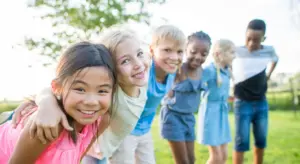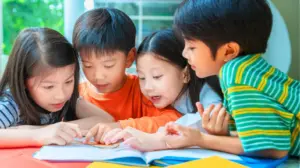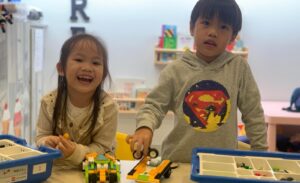

Have you ever watched a group of children trying to build something together, and noticed how quickly it turns into a mix of excitement, ideas, and the occasional disagreement?
One wants to lead, another has a different plan, and someone else just wants a turn. In these small, everyday moments, something important is happening. Children are learning how to work with others – and that’s a skill they’ll carry with them for life.
Why Teamwork Matters Early On
Young children are naturally social. They gather around toys, invent games, and slip into imaginary worlds together. But learning to truly work as a team takes time. It’s not just about being in the same space. It’s about learning to listen, take turns, express ideas, and navigate differences.
These moments don’t happen perfectly, but with guidance, they become powerful learning experiences.
When children practise collaboration, they begin to see the world beyond themselves. They learn how to communicate more clearly, understand how others feel, and adapt when things don’t go their way.
They also discover that everyone brings something unique to the table, and that working together often leads to better and more creative outcomes.
Simple Ways to Build Collaboration Every Day
The good news? It’s not that difficult to build these skills. Everyday activities offer rich opportunities. A simple block-building session becomes a lesson in sharing ideas. Group games help children learn patience and are great opportunities for teamwork. They also discover the joy of celebrating wins as a group rather than individually.
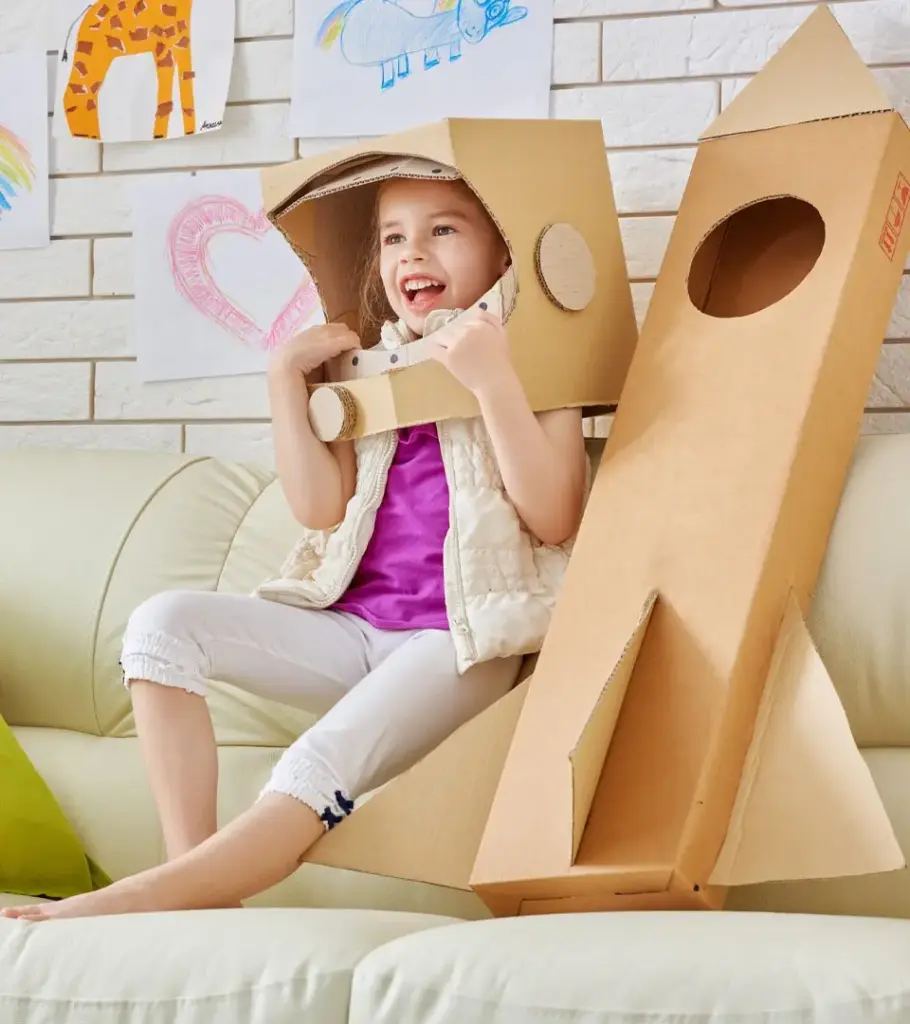
Storytelling and roleplay are especially powerful, inviting children to co-create, negotiate roles, and build something together from imagination.
Adults play a key role in shaping these experiences. Children watch how we communicate, solve problems, and share responsibilities. Get them involved where possible to help them understand what collaboration looks like in real life.
Today’s classrooms are also shifting in this direction, with more emphasis on group learning and shared problem-solving. This reflects a simple truth: the future belongs to those who can work well with others, adapt, and co-create.
By nurturing teamwork early on, we’re not just preparing children for school. We’re equipping them for life. We’re helping them grow into individuals who are empathetic and confident communicators, ready to contribute meaningfully wherever they go.
Nurturing teamwork at home:
- Encourage shared play – Activities like puzzles, building blocks, or pretend play are simple activities that encourage children to work together.
- Model teamwork at home – Involve children in family chores, such as setting the table or tidying up together, so they see the value of shared responsibility.
- Teach turn-taking – Use everyday situations, such as choosing a TV programme or game, to practise waiting and respecting others’ choices.
- Promote empathy – Guide children to notice others’ feelings, such as asking questions like “How do you think your friend felt when you shared that toy?” or “How would you feel if that happened to you?”.
- Limit ‘winner takes all’ competition – Balance competitive games with cooperative ones, where the whole group succeeds together.